3 Promotions in 2.5 Years | DevOps Bootcamp Review

Two and a half years ago, Chioma had just landed her first DevOps job after leaving oil and gas. We sat down with her again to find out what happened next. Spoiler: three promotions, a senior title, and a salary that has almost doubled. 💪
Watch Chioma’s Complete Journey
See the full story — from production engineer in Nigeria to Senior DevOps Engineer in Canada.
Meet Chioma, again 👋
[
](https://www.linkedin.com/in/amin-yekhlef-devsecops-networks-cybersecurity-systems/)
If you’ve been following TWN success stories for a while, you might remember Chioma.
We first told her story when she landed her first DevOps role:
She was an Electrical and Electronics Engineering graduate who worked as a Production Engineer at Shell in Nigeria for 3.5 years.

Then moved to Canada, tried three bootcamps that left her copying and pasting code, and then found the TechWorld with Nana DevOps Bootcamp.
That first chapter ended with two job offers in 24 hours and a hiring manager telling her he was “very impressed” with her answers. You can read the whole thing here: From Production Engineer in Nigeria to DevOps Engineer in Canada.
This article is the second chapter.
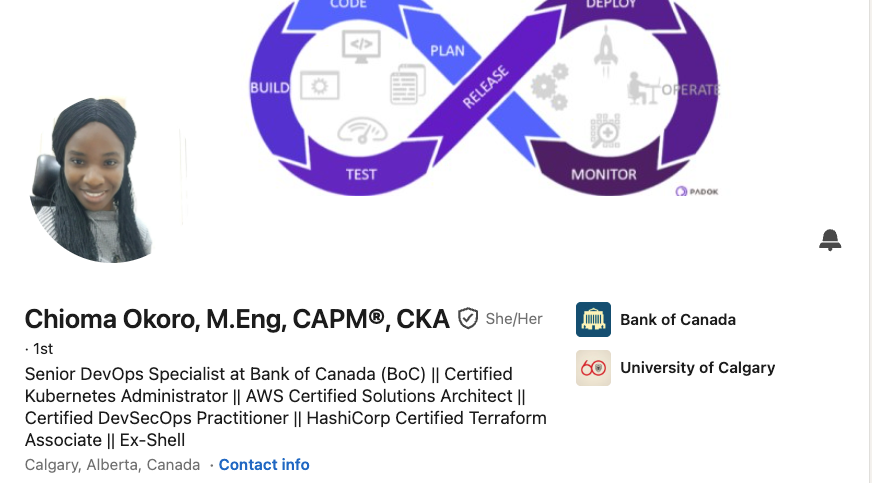
Chioma is now a Senior DevOps Specialist at a major company in Canada. She deploys to production on systems that handle, in her words, “billions of dollars kind of application.”
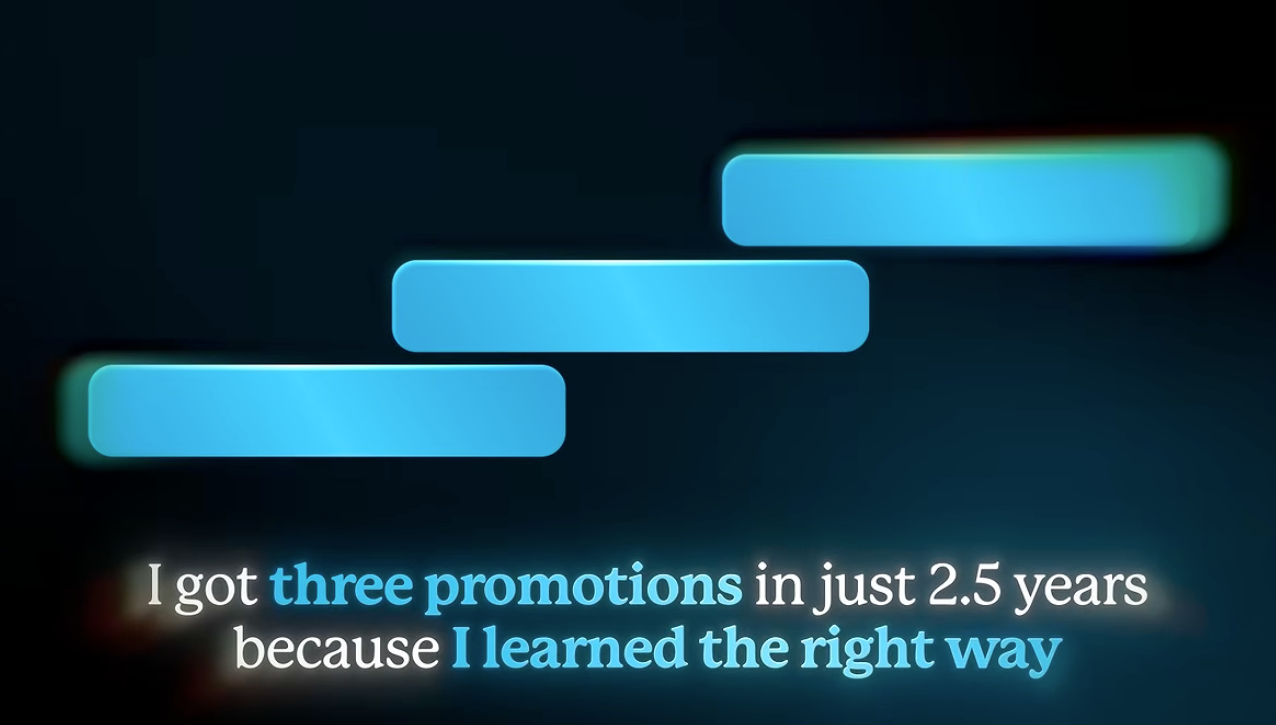
She got there through three promotions in two and a half years. That’s more than one promotion per year, in a field she had never worked in before 2023.
We wanted to know exactly how that happened. So here is Chioma, in her own words.
What does a Senior DevOps Specialist actually do day-to-day?
Currently I work with a team of developers, QAs, BAs. I work as a senior DevOps specialist.

My day-to-day involves creating CI/CD pipelines, automation pipelines to help the QAs, the developers.
My go-to tool is Jenkins. I also work with OpenShift to deploy containerized applications.
I also interface with other disciplines. We have a separate team that manages the Unix environments, Linux. We have a separate database team. We have a separate infrastructure team. So I actually interface with these people to be able to do my work properly.
But my core area is actually working with a scrum team of developers, QAs, BAs, to ensure that the application is deployed successfully. And it’s very exciting!

What changed when you became senior?
To be honest, it’s just about more responsibilities.
I get to do more things. I get to do the actual production deployment. You have to be really skilled and trusted to be able to deploy to production.
My company handles billions of dollars kind of application. I work with a very reputable company. So you have to be that skilled to be able to handle production.
So I now deploy to production environment. That’s why I earned the title as a senior DevOps specialist.
It’s about trust. It’s about the value you bring. They can see what you do. They can see your work. Your work speaks for itself.
Three promotions in 2.5 years. Congratulations! 🙌
What were the steps?
The first minor jump was actually from an intern to employee, because I was in school at that time. Then the next level was from junior to intermediate level, and then now to senior.
What was the most important factor in moving up that fast?
I’ll be totally honest, and this is not even to massage your feelings or anything: your bootcamp actually was the reason why I was able to grow fast.
And the reason is that I was able to talk to senior engineers and actually engage in conversations, provide meaningful input.
Let’s say we’re troubleshooting something. Based on my knowledge I can say, okay, have you tried this, have you checked this. And that’s because of what I know.
Advanced concepts like using Jenkins libraries. A lot of bootcamps will just stop at maybe using pipeline jobs or freestyle jobs. Not many bootcamps would actually teach you complex concepts, and these are concepts that are used in the workplace.
From the way you speak, people are informed by what you know or what you can handle. In a meeting, maybe everybody is trying to brainstorm and you’re able to provide input.

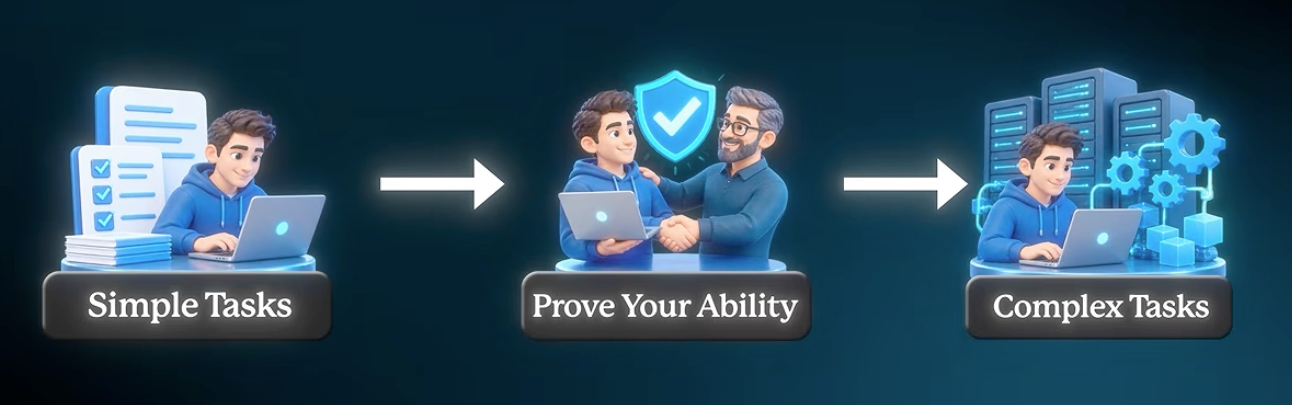
People know how you think. Even from the questions you ask, people know that okay, this person knows this. And from there they start to give you complex tasks.
It always starts from simple. Nobody wants to just throw you in the deep end. Nobody knows what you know from the beginning. So it will always start from a simple task.
So you have to prove yourself. You have to show people that you know what you’re talking about.
The level of knowledge you gain from this bootcamp puts you on a senior level. I refer to my bootcamp materials for my day-to-day job.
Nobody wants to hear, okay, you have bootcamp experience. That’s why you have to start from junior.

You have to start small.
But how you grow, are you going to be a junior for 6 years, 10 years, or are you going to be a junior and then rise to a senior level very fast? That’s your decision.
What you know, how you’re able to prove yourself, the value you actually bring to the table, that would actually define the path.
How did the first promotion happen? Did you ask for it?
My manager, funny enough, he was the one that determined I was due for that.
Because they could see what I was doing. They could see the value I was bringing to the table. They could see me contributing meaningful conversations when we had meetings.
So he was actually the one that discovered that I should be at a better position than I was currently.
There’s a level I got where I needed to get the next promotion, because I was doing way more things than my current level, what I was being paid for.
So that actually happened to me at some point, and I needed to talk to my manager, have those conversations that I’m due for the next level. Because based on what I could see my colleagues do, or even people in senior positions, I knew I could fit into that space at that time.
When you actually deliver value and you know the value you’re bringing to the table, you can have those conversations with your manager or a senior leader that you’re not fairly compensated for the value you bring.
And you have the work to show for it, because they will always ask you to itemize or list what you’ve done.
Every company that is actually fair, that has global standards, will actually compensate you for what you bring.
How has your salary developed from intern to senior?
Right now it’s almost doubled from where I started. For a senior DevOps now, you’re definitely in the six figure range.
Different countries will pay more than others, but you earn a decent amount for sure based on your skill set.
In the US you can see a senior DevOps at almost 200k, depending on the company you work for.
Private sector always pays more than government. Those kind of factors come into play.
Did your senior colleagues take you seriously from the start?
As a junior engineer it’s expected that you’ll face moments where you make a comment and it’s just overlooked, like it’s not as if you even made a comment.
Those moments happen, and it’s expected, because these people have been doing this job for a long time, and that’s why they’re seniors.
But you have to just tell yourself it is what it is. You can’t control how people will behave to you. You can’t control people’s reaction. But you have to stay confident in what you know. You have to prove yourself, essentially.
You also have to try not to be asking every single detail. Not that you’re not going to ask questions, but you have to do your own homework and your own research.
Google and AI will not teach you your company’s process. Those kind of questions you can ask. But in terms of technical detail, you have to try things in the test environment. Don’t try with production. Nobody would allow you.
You have to show what you’ve tried, go and research, paste that error message, ask what does this mean. And when you’ve tried everything and you just can’t figure it out, you can now ask the seniors.
What separates a junior engineer from a senior one?
I’ll say the first thing is experience. There are things that you get to learn in the course of doing your work.
You learn from the senior guys because they face things that you, just coming into the system, have not faced.
If you’re a junior engineer, just keep learning, keep exploring things, keep discovering, keep asking the right questions.
You need to be able to ask the whys rather than the hows. AI these days will help you a lot with the hows. All the commands you need to paste, the script you need to run, the code you need to write.
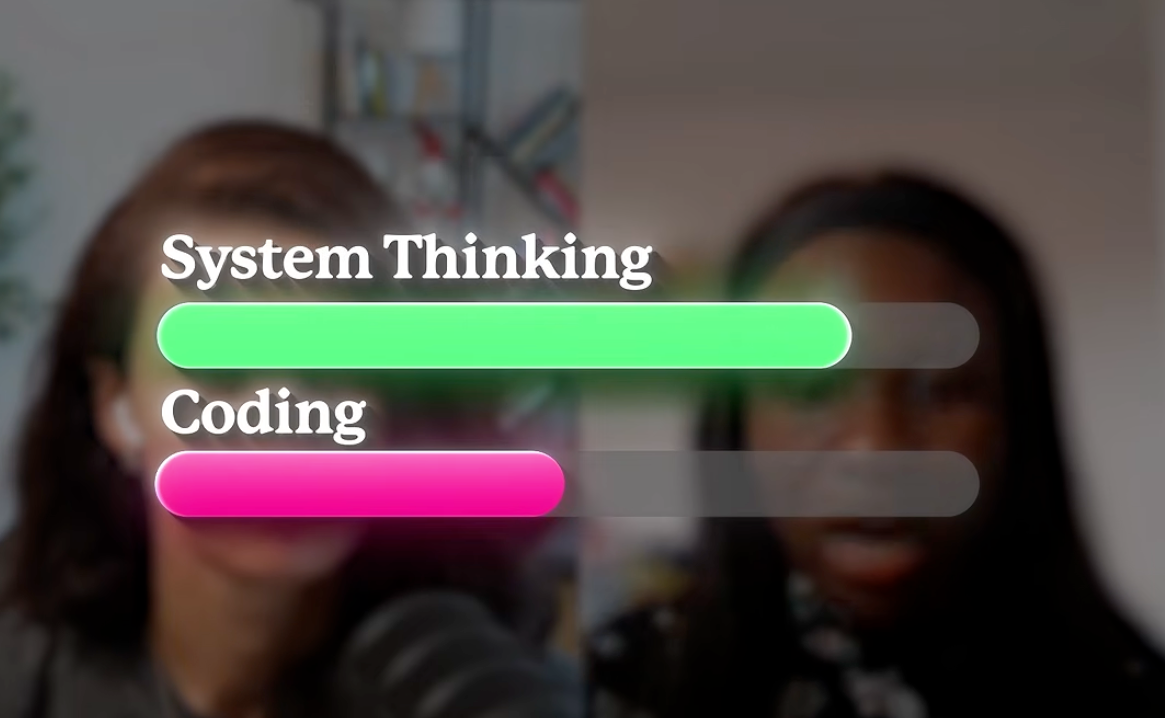
But you need to ask the whys. Why are we doing this? Why not this way? Why did you choose this tool? The whys is what is going to help you go far. If you focus more on the hows, AI will easily replace you.
Can you give an example where understanding the “why” mattered at work?
I used a Helm chart to deploy an application, and then I was going to tear it down. But the application was live, it had some data in it.
And because Nana had taught everything, I started thinking: what happens to my data if I do a helm uninstall on this? It’s possible that my data is lost, because everything is tied together.
Because I understand how PVCs work, how it ties to the underlying storage, let’s say in Azure or AWS, I researched how do I preserve my data, and it quickly pointed me to changing the policy to actually retain, because it was set on delete. I think that’s the default.
If I did a bootcamp where somebody said, okay, just paste this code, then I’m stuck there, because my data will just go like that without me knowing that I have to check that my policy is set to retain my data.
Those kind of things will help you prevent disaster at work. If you don’t understand how everything fits together, you’ll find yourself in a big mess.
Are you worried about AI replacing DevOps engineers?
I tell people I’m currently not scared of AI taking my job. Because I feel like it’s still evolving.
People still need this skill set. There are so many moving parts to it. AI will not go into my company’s servers to find out things. It’s just a tool to help me become more efficient and think about bigger picture things, how to improve the process.
Right now at my place of work we still hire DevOps engineers. And the current seniors would one day retire. There has to be a junior engineer to replace the seniors when they retire someday.
Junior engineers will not be replaced. What can actually happen is that the number of people that are needed can reduce. So you have to stand out.
So many people want to learn DevOps, so many courses out there. You have to go for the right course. You have to choose wisely. You have to be that person they’re looking for.
Why did you go for a Bootcamp instead of free Youtube or cheap Udemy?
The word is actually structure. There has to be structure. You need to know how everything ties together.
It’s not about watching a single Docker course or a single Jenkins course or a single Kubernetes course. You can watch those when you already have the structure in place and you just want to learn more about a specific tool.
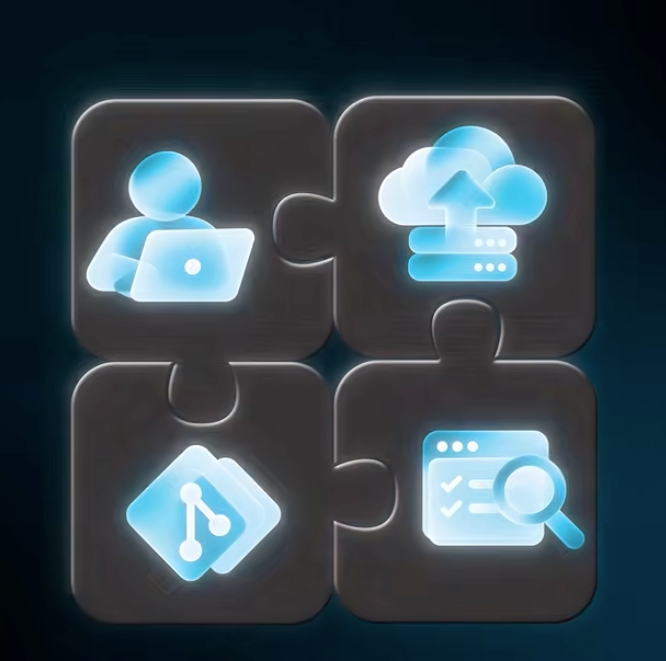
But if you’re going into an entirely different field, you need to know how everything comes together.
Even my manager doesn’t believe in watching all these Udemy courses. If he’s going to pay for a course, it has to be an instructor-led kind of course.
I see people complain about the cost. It might appear expensive like, okay, it’s $2,000 today. But can you imagine how much salary I’ve gained since I took TechWorld with Nana’s bootcamp?
These days I don’t even spend my money on courses, because the company I work for pays for them.
I took that bold step, invested in a course, and that cost is actually bringing all these returns for me.
Key Takeaways from Chioma’s interview
-
💡 Promotions are driven by visible contribution, not time served. Chioma’s first promotion came from her manager noticing her input in meetings; the later ones she asked for, with a list of what she’d delivered.
-
💡 Senior engineers notice how you talk about problems. Asking “why” questions and suggesting troubleshooting steps signals depth faster than any certificate.
-
💡 Do your own research before escalating. Try it in test, paste the error, document what you tried. Then ask.
-
💡 AI handles the “how.” The job is the “why.” If your skill is pasting commands, you’re replaceable. If your skill is understanding how systems connect, you’re not.
-
💡 A structured foundation beats a pile of single-tool courses. Tool-specific courses are useful once you already understand how the pieces fit.
-
💡 Treat training as an investment with a payback period. Chioma’s salary has nearly doubled since the bootcamp; her employer now pays for her courses.
Frequently asked questions
Is the TechWorld with Nana DevOps Bootcamp worth it for career changers?
Chioma came from oil and gas with no IT background. She says the bootcamp “was the reason why I was able to grow fast” and that she still refers to the materials in her day-to-day work as a Senior DevOps Specialist. Her first interview covers how it got her hired; this one covers how it got her promoted.
How long does it take to go from junior to senior DevOps engineer?
It varies widely. Chioma did it in 2.5 years, which is unusually fast. She attributes the speed to entering with mid-level knowledge, contributing in technical discussions early, and asking for promotions when her responsibilities outgrew her title.
How does the TWN DevOps Bootcamp compare to other bootcamps?
Chioma took three bootcamps before TWN, two of which were more expensive. Her comparison: the others taught her to deploy things without understanding them; TWN explained how each tool fits into the software development lifecycle, which tools compete with which, and why. That depth is what let her answer senior-level interview questions (like Jenkins vs. Tekton) and troubleshoot confidently at work.
Will AI replace DevOps engineers?
Chioma, who works on production systems daily, says no. Her view: AI is good at generating commands and scripts, but it doesn’t understand how a specific company’s systems connect or what breaks when you change something. Her advice is to focus on the “whys” so you’re the engineer AI assists, not the one it replaces.
What does a Senior DevOps Specialist earn?What does a Senior DevOps Specialist earn?
Chioma’s salary has almost doubled in 2.5 years and is in the six-figure range. She notes that country, sector, and company size all affect the number, with US private-sector senior roles reaching close to $200k.
Ready to start your own DevOps journey?
Chioma’s story has two chapters. The first one is about getting in. This one is about moving up. Both started with the same decision: to stop collecting courses and learn DevOps properly, once.
If that’s where you are right now, the TechWorld with Nana DevOps Bootcamp is the program Chioma took. It’s designed for people with no prior DevOps experience, including career changers from non-IT fields.
Not sure if DevOps is the right path for you? Hear more graduate success stories from people who switched from sysadmin, test automation, network engineering, and other backgrounds.